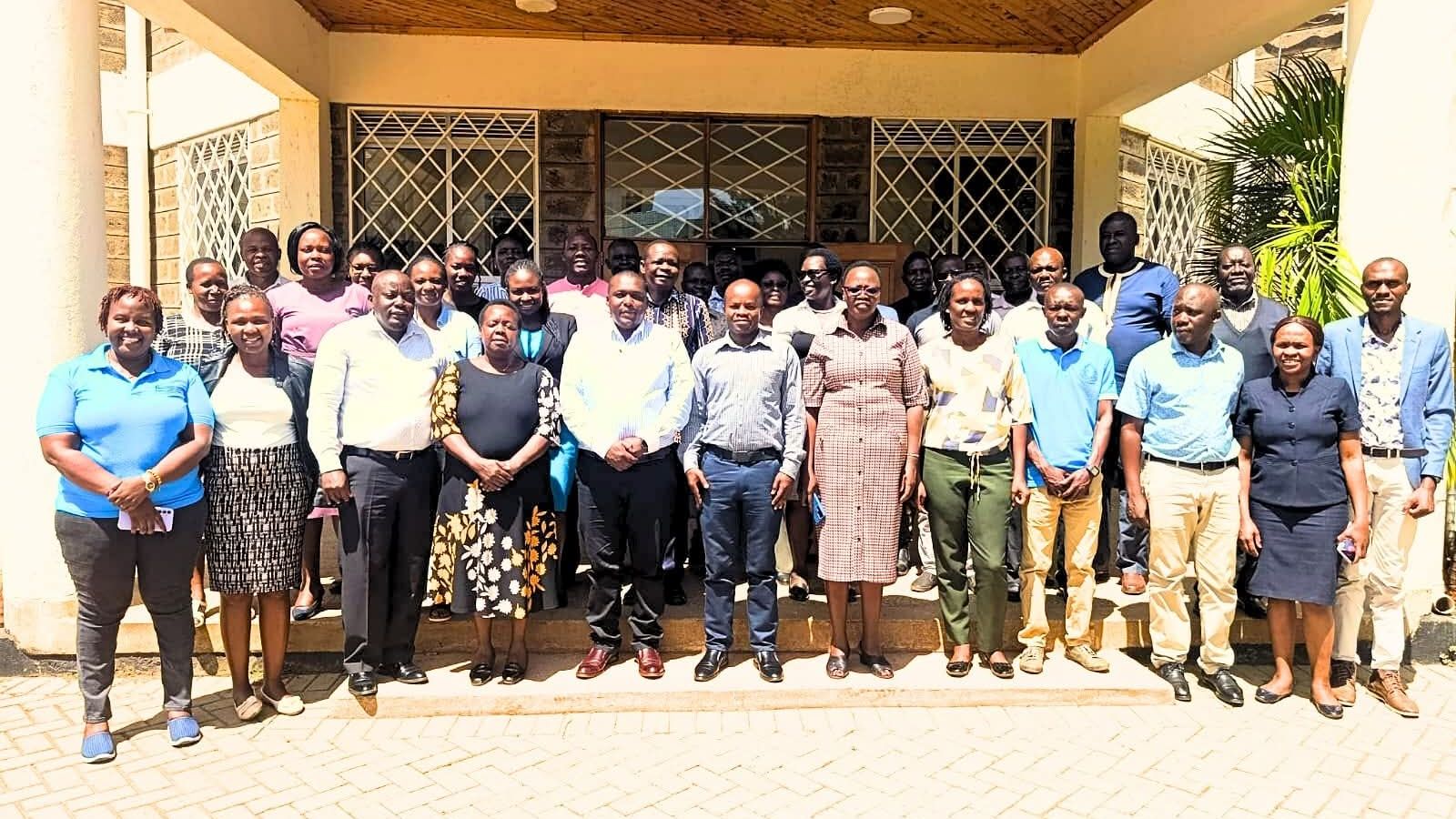
Research plays a vital role in shaping health policies and transforming communities across Kenya. Recently, the National Commission for Science, Technology and Innovation (NACOSTI) met with key stakeholders from the Western region, including the Nyanza Reproductive Health Society (NRHS), to discuss critical issues around research licensing, ethics, regulation, compliance, and NACOSTI’s mandate. This engagement marks another step forward in building an accountable and ethical research ecosystem in Kenya—especially in the health sector.
As the regulatory authority for research in Kenya, NACOSTI is responsible for licensing research institutions, ensuring ethical compliance, accrediting Institutional Scientific and Ethical Review Committees (ISERCs), and regulating research practices across sectors. These functions are grounded in the Science, Technology and Innovation Act, 2013, which mandates that all research activities must adhere to national standards for quality, transparency, and ethical rigor.
While details from the specific Western region forum are emerging, this engagement builds on NACOSTI’s broader outreach and stakeholder forums that bring together researchers, institutions, and civil society to strengthen research governance and partnerships. For example, NACOSTI recently conducted a national research integrity forum, hosted in collaboration with partners, where discussions centered on ethical research, licensing, regulatory compliance, and the importance of trust and transparency in research. Experts emphasized that integrity in research isn’t just about meeting rules—it’s about embedding ethical principles throughout the research process and ensuring accountability at every stage. For organizations like NRHS, whose work focuses on reproductive health, HIV prevention, evidence-based programming, and community-driven research, participation in these discussions is especially important. NRHS’s commitment to rigorous research, ethical conduct, and partnership aligns well with NACOSTI’s mandate—helping ensure that research not only informs policy but also translates into better health outcomes for communities.
Why These Forums Matter
- Clarifying research licensing and regulations: Researchers and institutions get up‑to‑date guidance on how to register and maintain compliance with national standards.
Strengthening ethical review capacity: NACOSTI’s work with ISERCs and ethics stakeholders ensures that research involving human participants is reviewed against robust ethical benchmarks.
Fostering partnerships: Events like these create bridges between government, civil society, academia, and community organizations—critical for collaborative, community‑centered research.
Embedding research integrity: By promoting transparency, accountability, and ethical responsibility, forums help build trust in Kenya’s research outputs.
Looking Ahead
As NACOSTI continues to engage stakeholders across regions, the goal remains clear: to ensure research in Kenya is conducted ethically, regulated effectively, and contributes meaningfully to national development goals. For NRHS and other health‑focused organizations, active participation in these dialogues strengthens their ability to generate evidence that drives policy, informs programming, and responds to community needs.
We look forward to more such forums and deeper collaborations that empower researchers and communities alike—because doing research right means making research work for Kenyan people.