Support for LGTQ Community: The Anza Mapema Programme
Background Environment
Gay, bisexual and other men who have sex with men (GBMSM) and other members of the Lesbian, Gay, Bisexual, Transsexual and Queer (LGBTQ) community in Kenya are highly discriminated against, experience a large amount of stigma, and have to remain underground for fear of violence, persecution and recrimination. The health of members of the LGBTQ community is threatened by lack of access to gay-affirming services and discrimination by health providers, police, legal authorities and the general population. For example, MSM have three to five times higher HIV prevalence than same-aged heterosexual men
Same sex sexual practices remain criminalized in Kenya, even though there are few convictions based on sections 162 to 165 of the Penal Code. The Constitution of Kenya does not expressly protect the rights of LGBTQ persons because, according to the experts who drafted the constitution, a majority of Kenyans would have rejected the constitution in the referendum to adopt it. Nevertheless, many argue that Kenya's statutes discriminating against LGBTQ persons are unconstitutional and void because of the constitution's broad protection of civil and human rights. According to surveys, the great majority of Kenyans believe that homosexuality is a way of life that society should not accept, and among gay men who came out to their families, 89 percent reported that they were disowned. Employees have been terminated or subjected to hostility, ridicule, humiliation, and discrimination when their sexual orientation or gender identity became known in the workplace.
Anza Mapema
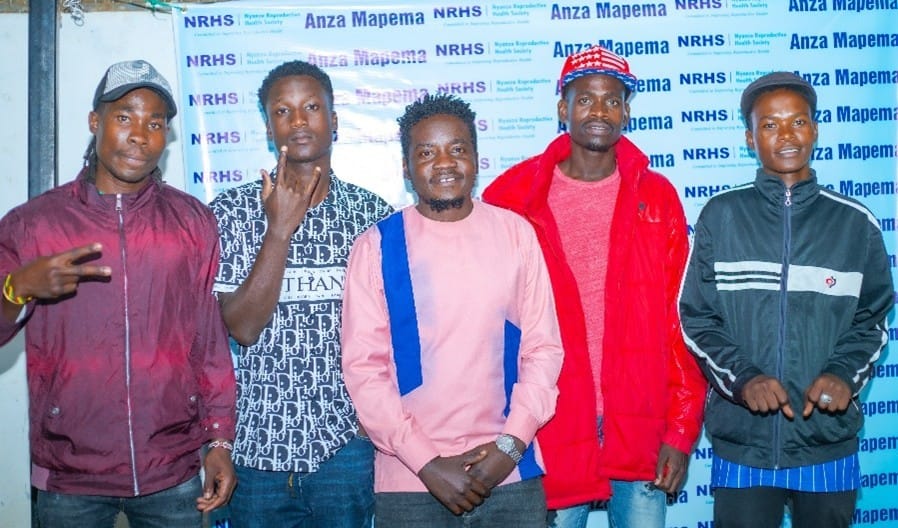
Recognizing the unmet needs of minority populations, NRHS founded a support group for gay, bisexual and other men who have sex with men (GBMSM) support organization – the first in Kisumu – originally called Kisumu Initiative for Positive Empowerment (KIPE) and now called Anza Mapema (AM), which means “start early.” AM is working to promote the psychosocial and sexual health of GBMSM and transgender women (TGW) through research, education, prevention, clinical care and support, and advocacy. AM supports approximately 700 GBMSM directly and a much larger population indirectly through its outreach and advocacy activities. AM has long been a safe space for LGBTQ persons and a catalyst for LGBTQ organizing in Western Kenya.
History
In 2006, several young men participating in the randomized controlled trial of male circumcision for HIV prevention self-identified as having sex with other men. These few men formed the first group facilitated by NRHS to come together to support one another and to discuss ways to reduce their risks of acquiring HIV and STIs. It soon became apparent that there were a large number of GBMSM in the Kisumu area who were seeking safe, confidential ways of supporting one another and learning the different ways that GBMSM cope with the psychological, legal and economic challenges they face. Some initial funding was obtained and the organization, KIPE was formed as part of NRHS.
Recognizing that evidence was required to gain further support for KIPE, NRHS, in collaboration with the University of Illinois at Chicago (UIC), completed a respondent-driven sampling study of GBMSM in Kisumu. From 11 original seeds, 415 men of ages 18-62 years who reported oral or anal sex with another man in the last 6 months were recruited. Overall HIV prevalence was 14%, with a prevalence among 18-19 year-olds of 4.2%, versus 28.9% among 25-29 year-olds. This highlighted the need to emphasize prevention in young GBMSM before they become infected. Factors associated with HIV infection were older age, herpes simplex virus type 2 seropositivity, having >5 paying male partners in the last 30 days, and condomless vaginal sex with the most recent female partner, indicating that risk reduction for GBMSM must focus not only on same-sex behaviour, but also on sex with female partners since HIV prevalence among women aged 20-29 years in Kisumu is as high as 20%-30%. Before and during this work, NRHS founded a support group for GBMSM, called Kisumu Initiative for Positive Empowerment (KIPE), which rapidly grew to ≈350 active members. During 2011, KIPE provided HIV counselling and testing to 740 GBMSM in the greater Kisumu area, referring HIV-positive men to an ART clinic run by NRHS or an ART provider of their choice.
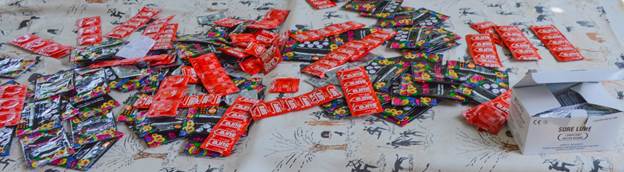
This work formed the basis for the CDC-funded Anza Mapema demonstration project which aimed to: 1) find and test 700 GBMSM for HIV; 2) link and retain HIV-positive GBMSM in HIV care including ART; and 3) link and retain HIV-negative GBMSM in a non-ART care and risk reduction program including retesting every 3 months after enrolment. Anza Mapema participants were followed for 12 months, and benefited from services including risk reduction counselling, condoms and lubricants, STI screening and treatment, and post-exposure prophylaxis (PEP) as indicated, with ART for HIV-positive participants. Participants who seroconverted during their participation in Anza Mapema were followed for an additional 12 months post seroconversions. In addition, social events such as theatrical events, movie nights, spiritual meetings, risk sharing sessions, and regular “coffee Wednesday” meetings to promote reduction in alcohol and substance use, are available and popular with participants. As a sub study, NRHS followed a subset of 168 MSM who have initiated PrEP to assess feasibility, acceptability and adherence. Adherence was measured by participants’ self-report as well as by measurement of drug levels in plasma. While self-reports indicated very high adherence at as high as 98%, when levels of the drug in plasma samples were analysed, just 34% of participants had any level of drug present, and just 11% had levels that would provide full protection from HIV acquisition.
In January 2018, NRHS received a sub contract from LVCT Health to offer programmatic comprehensive HIV prevention, care and treatment services for 600 MSM in Kisumu under the STEPS programme. These were conducted at two NRHS centres within Kisumu; (1) the Anza Mapema Tom Mboya centre which is the main hub of activities and is located within the Tom Mboya residential estate. This centre is more ‘out’ and is identified with GBMSM to be a safe space where they can get services and engage in activities. The centre has two reception areas, six rooms for offices and clinical rooms, and a wide-open area that can seat about 300 people that is used for meetings and social activities. (2) The second was the Anza Mapema Town centre that was located within the Central Business District of Kisumu and caters to more ‘hidden’ and ‘upper class’ GBMSM who do not want to be seen going to Anza Mapema Tom Mboya. The centre also had flexible working hours to allow clients access in the evenings and early nights depending on their need. This second centre was closed in 2020 due to funding constraints with activities only continuing at Anza Mapema Tom Mboya. In 2021 the subcontract from LCVT came to an end and NRHS received a subcontract from CIHEB to continue with this work under the ENTRENCH programme that is still ongoing.
Current Activities
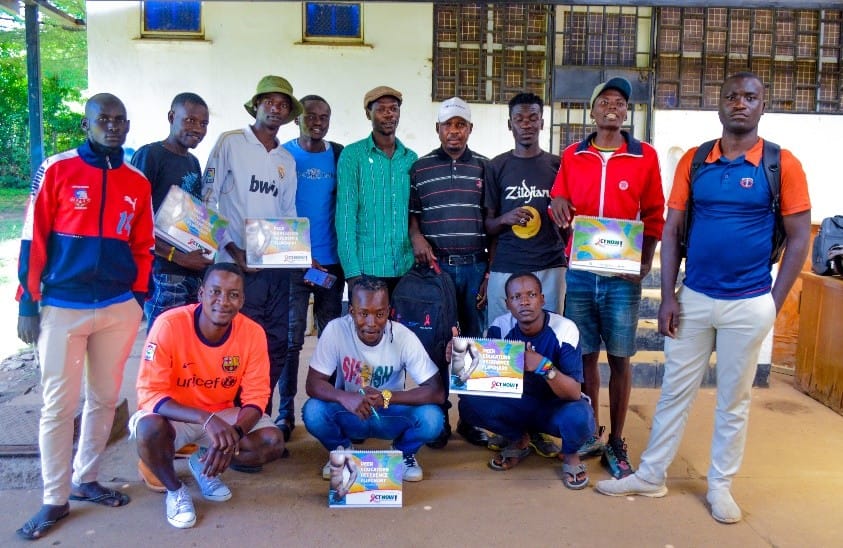
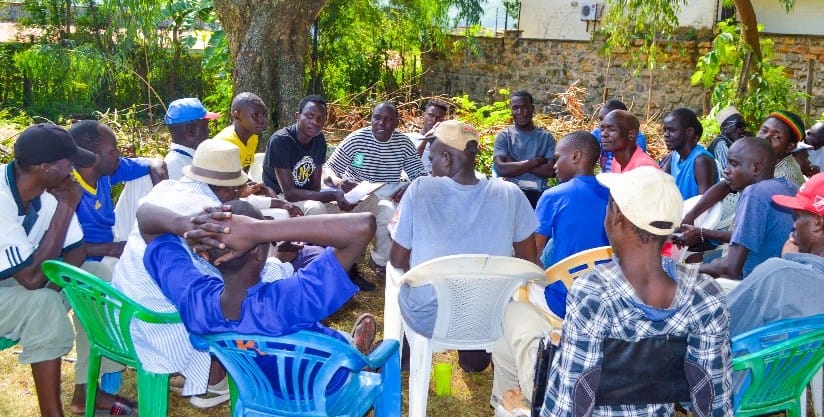
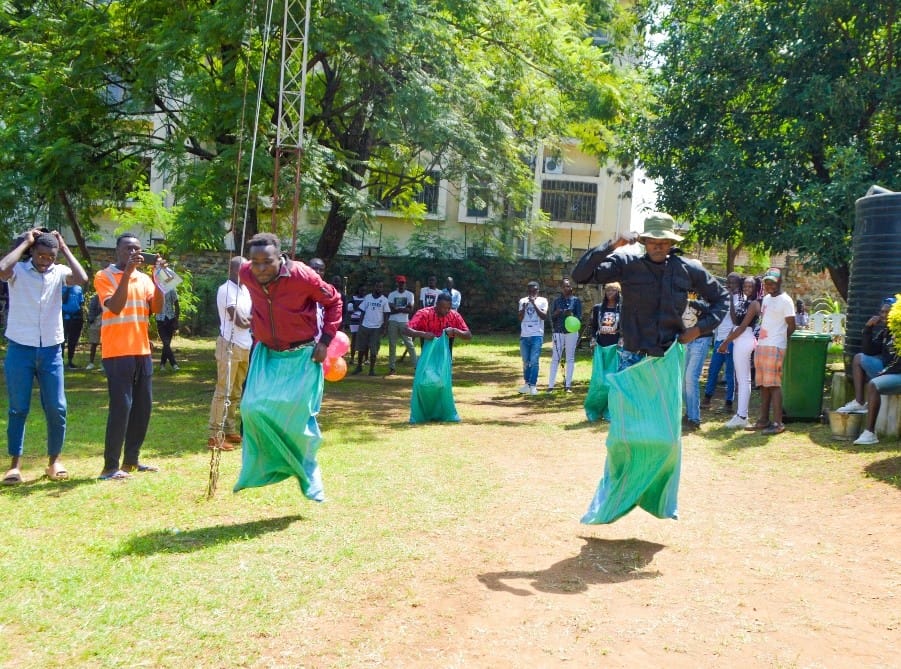
The programme follows the NASCOP guidelines on programming for Key Populations plus provides the GBMSM affirming activities that the community has come to expect and value from NRHS. In addition to the regular HIV prevention and care and treatment programmes offered as part of the Anza Mapema programme, we offer the peer-led social activities that were studied and validated in the Anza Mapema study and which community members have come to value so much. These social activities promote topical discussions on issues affecting LGBTQ communities (Movie Mondays), provide group therapy for those who have been tested for HIV (Therapy Tuesdays), promote reduction in alcohol and substance use (Coffee Wednesdays), support groups for those testing HIV positive (Therapy Thursdays) provide an avenue for LGBTQ to express their artistical sides (Cultural Fridays) and spiritual nourishment (St Sebastian Sundays) for the many members who do not feel welcomed in their traditional churches. Anza Mapema members also have a vegetable garden within Anza Mapema Centre of Excellence. NRHS has an Anza Mapema specific Community Advisory Board (CAB) with membership from LGBTQ groups, female sex workers, religious sector, law enforcement, legal and judicial organizations which meets quarterly. The CAB provides a community eye to our programmatic and research activities within Anza Mapema.
Challenges
The challenge facing NRHS and Anza Mapema specifically is that the inadequate donor funds cover only the bare essential activities for providing clinical services for the GBMSM and TGW community. This includes three monthly HIV testing, ART for people living with HIV, some behavioural change communication and STI syndromic management. However, these funds do not cover most infrastructure costs (e.g., rent, utilities, security, internet) nor the activities that truly make a difference in the lives of the GBMSM community members. These include all the peer-led social activities, support activities and advocacy, all of which contribute to a sense of empowerment, pride and hope in persons who face such daily challenges to their psychological and physical health. The need for these activities has mushroomed as more members participate, recruit their peers, and the community is seeking expansion of these services. Any assistance would be appreciated to cover what we consider essential infrastructure and staffing needs plus funds to cover the social and support activities and advocacy actions that we know empower GBMSM by providing the safe space and peers for peer networking, life skills training, opportunities for social support and sharing the lived realities of marginalized situations.