Month 6 follow-up visits were conducted between December 2024 and May 2025, during which a total of 235 participants were seen, representing a retention rate of 94.0%. STI screening results showed that 14 participants (6.0%) tested positive for urethral Chlamydia trachomatis, while 4 participants (1.7%) tested positive for urethral Neisseria gonorrhoeae. Rectal infections included 4 cases (1.7%) of rectal Chlamydia trachomatis and 4 cases (1.7%) of rectal Neisseria gonorrhoeae. During month 6, one participant (0.4%) was newly diagnosed with HIV and was promptly linked to appropriate care and treatment services in accordance with national guidelines.
At Month 12, enrolment and follow-up activities started in June 2025 and were successfully completed in December 2025, with a total of 222 participants seen, representing an overall retention rate of 88.8%. Schistosomiasis screening results indicated that 215 participants (96.8%) tested negative. STI screening identified 12 cases (5.4%) of urethral
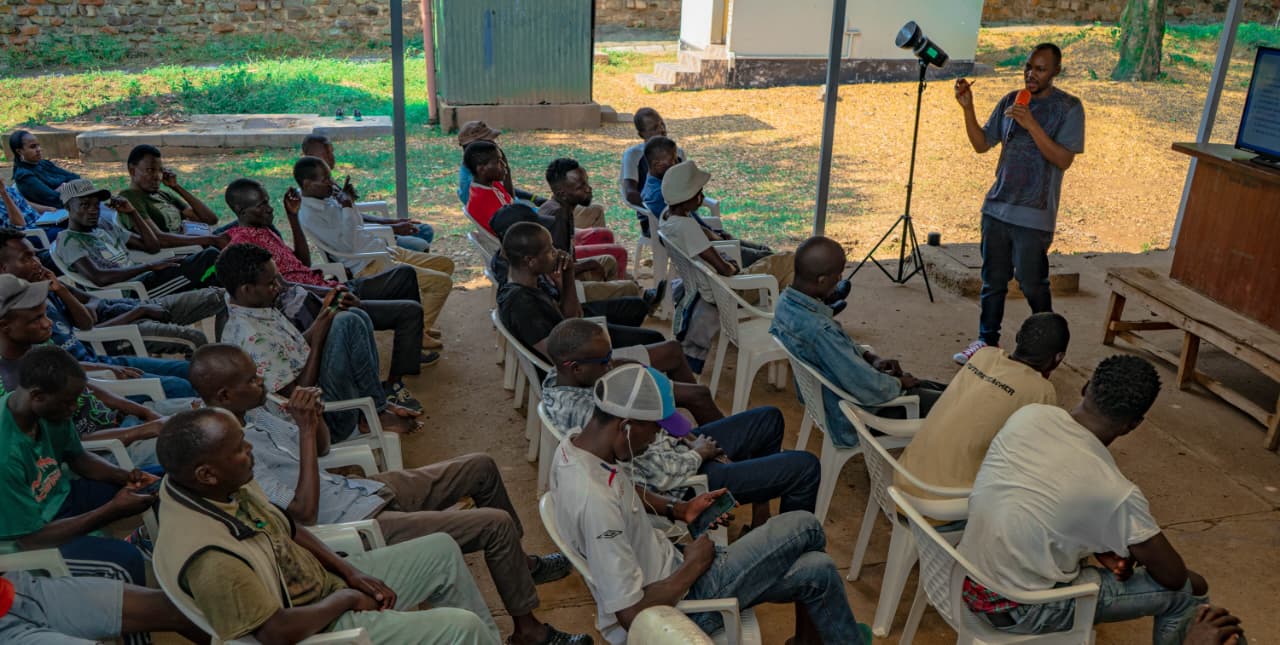
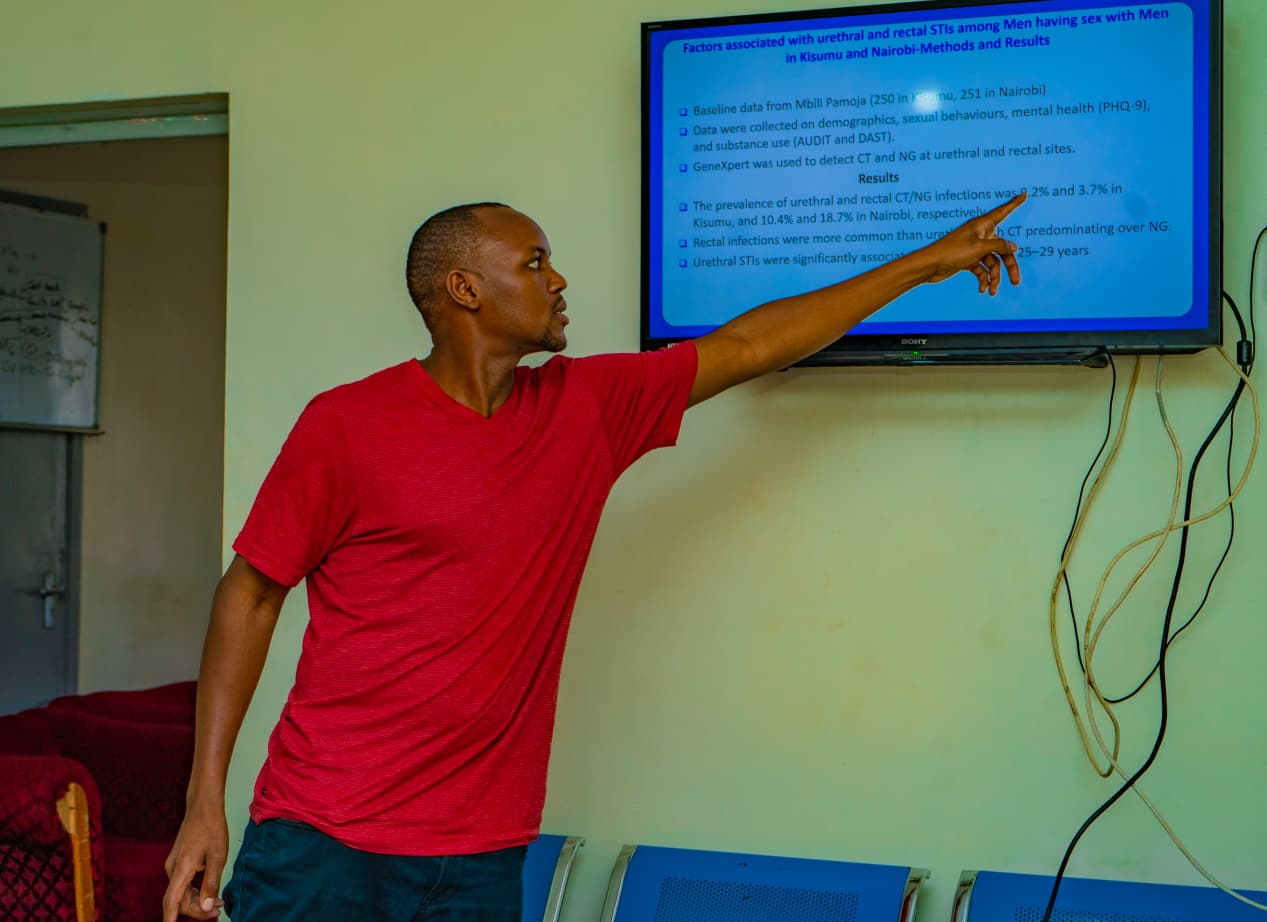
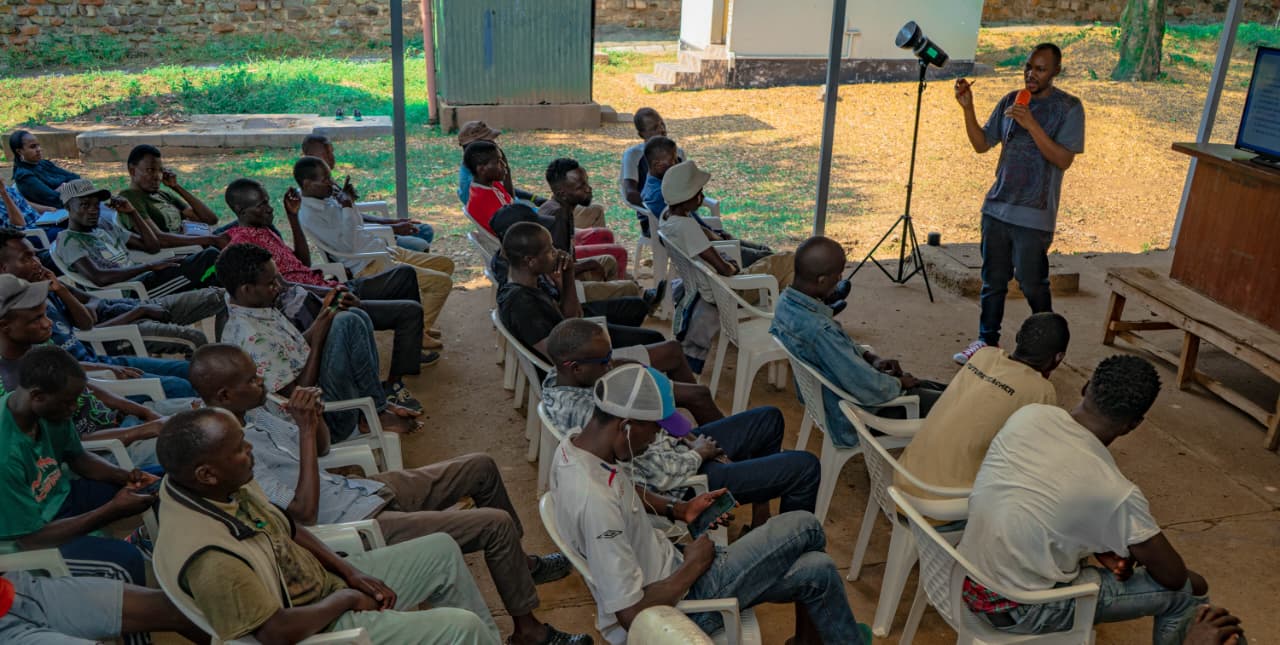
Chlamydia trachomatis, 3 cases (1.4%) of urethral Neisseria gonorrhoeae, 6 cases (2.7%) of rectal Chlamydia trachomatis, and 5 cases (2.3%) of rectal Neisseria gonorrhoeae. Four dissemination activities were conducted to share study progress and preliminary findings with key stakeholders, including study staff, the Community Advisory Board (CAB), Ministry of Health representatives, and study participants. Six manuscripts have been developed and are currently at different stages of preparation and submission, focusing on comparisons between CAPI and ACASI data collection methods, factors associated with rectal and urethral STIs among MSM, dietary patterns and macro and micro nutrients among MSM, Factors associated with schistosomiasis at baseline, longitudinal analysis of incident of STIs and Baseline network analysis and relations to STIs, HIV, alcohol and drug use. A manuscript examining factors associated with rectal and urethral sexually transmitted infections was presented at the University of Nairobi STI/HIV/SRH Conference held in January 2026 at the Serena Hotel, Nairobi. The presentation provided an opportunity to disseminate key study findings to researchers, and public health stakeholders, and facilitated valuable discussions to strengthen the interpretation and relevance of the results for informing STI prevention and control strategies.